
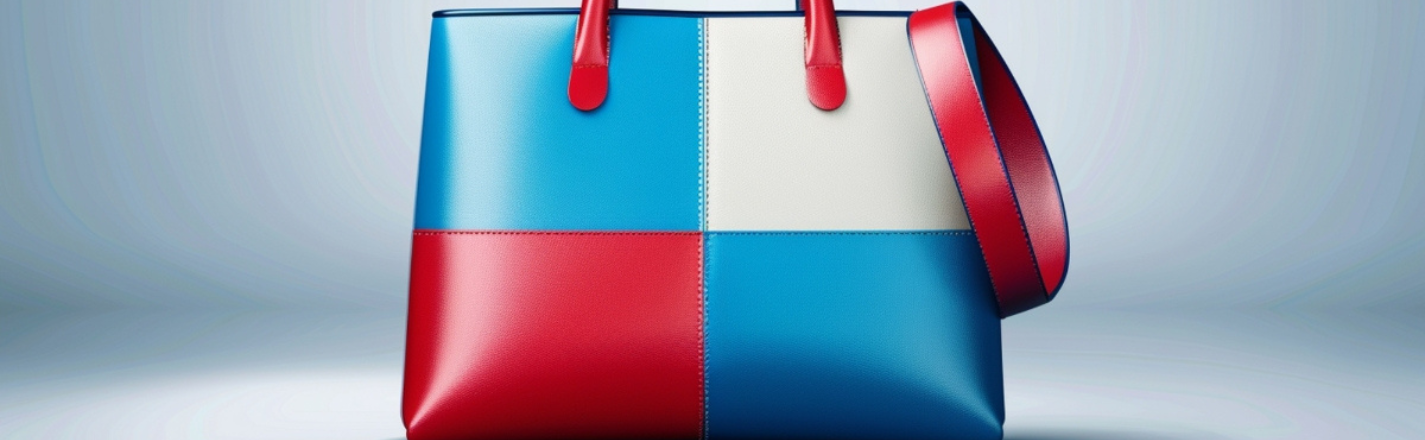
Do you just focus on size, color, or brand appeal when you think about handbags? These elements certainly have a role to play. But what truly defines a handbag is its subtle detailing. The overall looks and feel of a handbag depend on that.
You can transform a simple accessory into a more refined, thoughtful, and visually appealing handbag, with small but impactful design choices. The fashion landscape of today, has seen a combination of individuality and quality.
Thus, understanding such understated features can ensure that you make smarter and more stylish choices. Let’s explore the finer details, which have the power of quietly elevating a handbag’s designer and presence.
While two handbags may look similar in shape and color at first glance, closer inspection will reveal that the finer details set them apart truly. Through these details, the real craftsmanship, thoughtful design, and attention to user experience can be understood.
Such subtle enhancements can be beneficial in the following ways:
Rather than overwhelming the design, these elements work quietly in the background, enhancing the handbag without demanding too much attention.
Stitching is an important detail in any handbag, which is generally overlooked by people. Your bag is held together by clean and even stitching, which also contributes to the overall aesthetic appeal of the handbag as well. So, what should you look for? Here’s a list:
Durability and attention to detail in construction is signaled by well-executed stitching in a handbag. This offers it a highly refined and polished finish as well.
Hardware on a handbag includes elements like zippers, clasps, buckles, and rings as well. These elements can dramatically influence the overall look of the handbag as well. Some finishes that elevate the overall style of a handbag include the following:
The shape and size of hardware components also have a massive role to play, as it affects how sophisticated a handbag appears. You get a cleaner and more elegant look with minimal, well-proportioned hardware.
People don’t immediately notice edge finishing. But it’s an important detail and plays a significant role in the overall looks of a handbag. Whether a handbag looks polished or not depends on it.
The key features here include:
A neatly finished edge adds structure and prevents wear over time, while also contributing to a more refined appearance.
In the case of a handbag, the interior is equally important like the exterior. When you thoughtfully chose a lining, it helps in elevating your experience significantly, while using the handbag. Some key considerations here can include:
When you choose a high-quality lining, it both protects your belongings and reflects attention to detail. Besides, it’s a proof of the thoughtful designing that has been employed to make the handbag.
Handles and straps are not just functional; they are key style elements that influence the overall silhouette of a handbag. A few subtle enhancements to consider here include:
Adjustable straps with clean finishes and minimal bulk can add versatility while maintaining a polished look.
Branding can either enhance or overpower a handbag’s design. Subtle logo placement often creates a more sophisticated and timeless appearance. Some of the highly elegant branding approaches that can be used here include the following:
A minimal approach allows the design to speak for itself while still maintaining a sense of identity.
Combining different textures is a subtle yet effective way to add depth to a handbag. Examples of this can include:
These combinations create visual interest without making the design feel busy or overwhelming.
A handbag’s proportions play a crucial role in how it is perceived. Even small adjustments in shape and structure can make a big difference. A few things that can work exceptionally well here include:
A well-proportioned handbag looks more intentional and visually appealing, regardless of its size.
Practical features can also contribute to a handbag’s overall elegance when designed thoughtfully. Key examples here include:
When functionality is seamlessly integrated, it enhances both usability and appearance.
Small color accents can elevate a handbag without overwhelming its design. Some subtle additions here include:
These finishing touches add personality while keeping the overall look balanced and refined.
Behind every well-designed handbag is a level of craftsmanship that ensures all these subtle details come together seamlessly.
Craftsmanship involves:
When these elements align, the result is a handbag that feels cohesive, durable, and visually appealing.
When shopping for a handbag, paying attention to subtle details can help you make a more informed choice. Here are a few tips that can be employed here:
Taking the time to notice these elements can result in a purchase that feels both practical and satisfying.
In many cases, less is more. Handbags that focus on clean lines and subtle detailing tend to have a timeless appeal. Key minimalist designs here include:
By focusing on refined details rather than bold embellishments, these handbags achieve a sense of effortless elegance.
A handbag’s true value lies not just in its appearance but in the thoughtful details that shape its design. From stitching and hardware to lining and proportions, each element contributes to the overall experience.
By understanding and appreciating these subtle features, you can choose handbags that offer both style and functionality in a balanced way. Whether you prefer classic designs or modern aesthetics, it’s the small details that make a lasting impression.
In the end, a well-crafted handbag doesn’t need to be loud to stand out—it simply needs to be thoughtfully designed.